

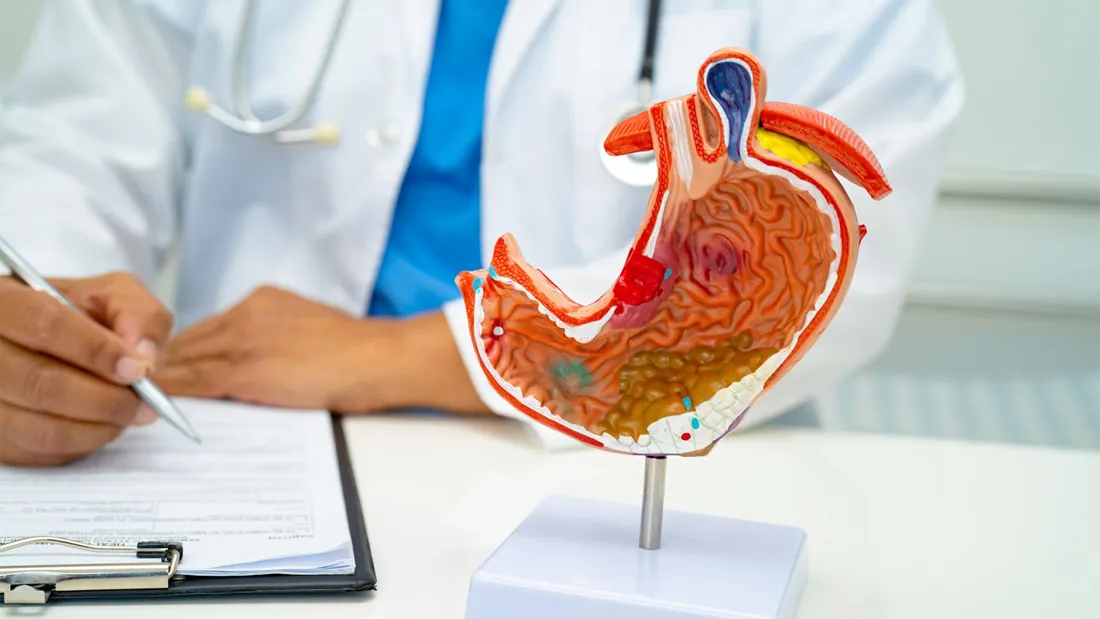
Gastric bypass and sleeve gastrectomy are the two most common obesity surgeries. Both aim to support weight loss, but they work differently.
Sleeve gastrectomy
- A large part of the stomach is removed, leaving a small, tube-shaped stomach.
- The amount you can eat falls; levels of some appetite hormones are also affected.
- The intestinal route is not changed.
Gastric bypass
- A small stomach pouch is created and part of the small intestine is connected to it.
- Both the amount eaten and the absorption of food are affected.
- Vitamin and mineral supplements need closer follow-up.
Which one is chosen?
The decision is made together by the bariatric surgeon and team according to body mass index, accompanying conditions (such as diabetes and reflux), eating habits and personal preference.
In both cases
Surgery is a beginning, not an end: eating pattern, exercise and regular follow-up decide how lasting the result is.
This article is general information; diagnosis and treatment decisions are always made after a physician's examination.
This article is general information, not a diagnosis or treatment recommendation. Consult a physician for a personal assessment.