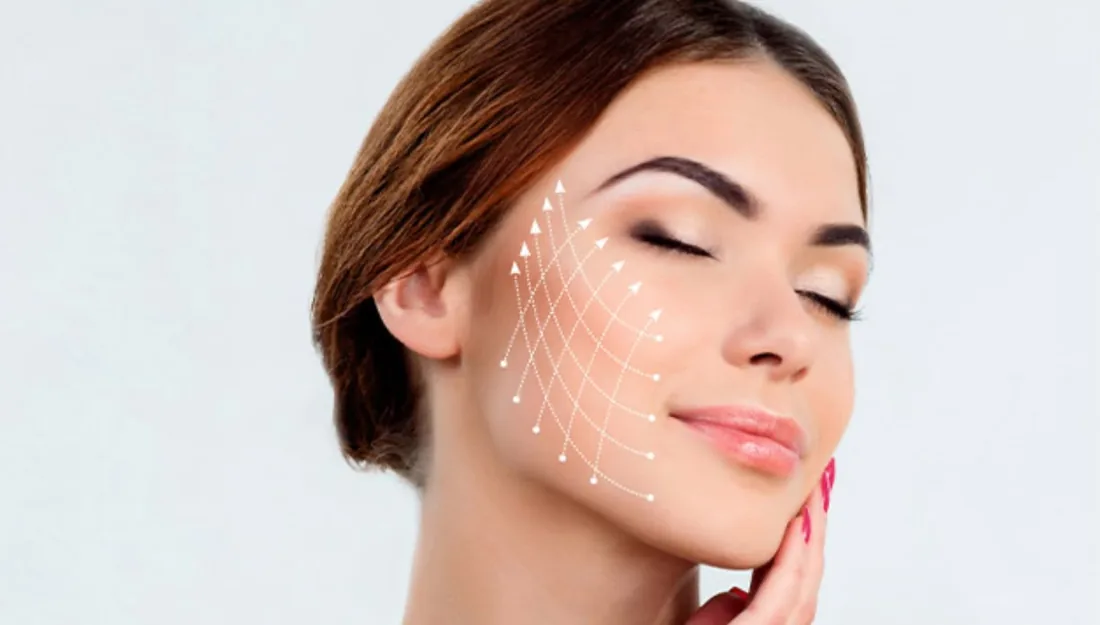

Sapphire FUE is an approach to FUE hair transplantation in which sapphire-tip blades are used to open the recipient channels. Grafts are harvested with the FUE technique; what differs is the instrument used to create the channels.
How does it differ from classic FUE?
- In the classic approach, steel-tip blades may be used, whereas sapphire tips are made of a hard, glass-like material.
- Sapphire tips are said to make finer, smoother incisions and may support healing.
How noticeable these advantages are varies from person to person; the result depends not only on the instrument but also on the experience of the physician and team, planning and aftercare.
Who may it suit?
- People with thinning or receding hair and enough donor area
- People who want a natural hairline and density
Whether you are a candidate is decided by a hair analysis and a physician's examination.
The process
- Hair analysis and planning
- Harvesting grafts from the donor area
- Opening channels with sapphire-tip instruments
- Placing the grafts
The procedure is performed under local anaesthesia; its length depends on the number of grafts.
Aftercare and results
Aftercare directly affects the success of a transplant. Scabs fall away, temporary shedding can occur and new hair appears over months; results differ from person to person.
When deciding
Look less at the name of the method and more at the physician's experience, planning, sterile environment and follow-up process. Be careful with offers that promise a definite outcome.
This article is general information; diagnosis and treatment decisions are always made after a physician's examination.
This article is general information, not a diagnosis or treatment recommendation. Consult a physician for a personal assessment.