
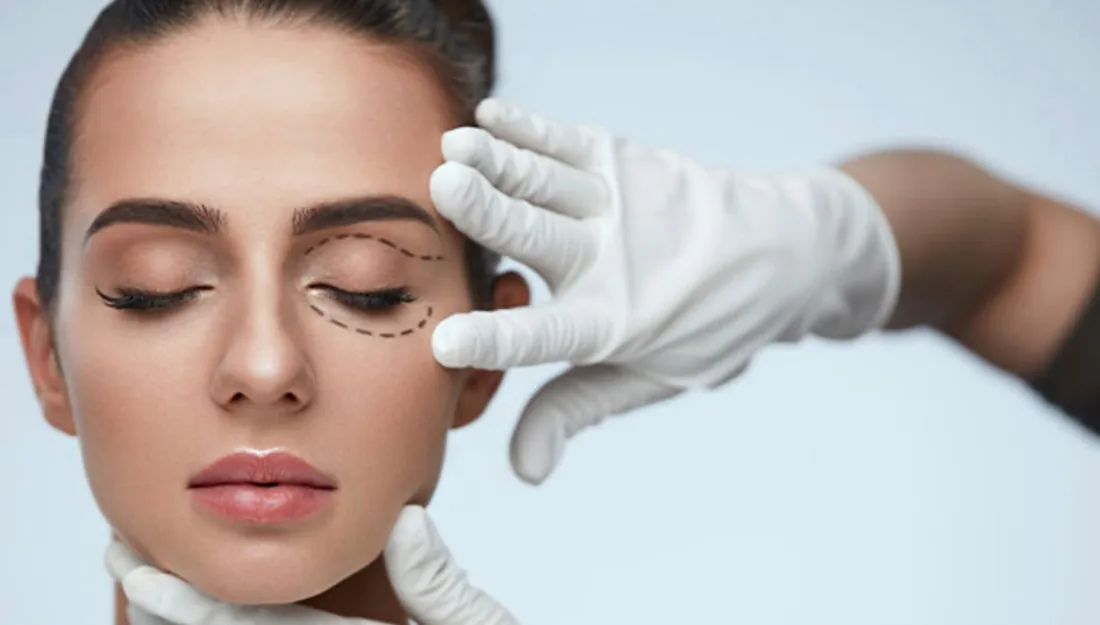
Blepharoplasty corrects excess skin and fat in the upper and/or lower eyelids. It aims to reduce a tired or aged look and, for some people whose drooping lids limit the field of vision, to ease that restriction.
Who is it suited to?
- People with drooping upper lids and excess skin
- People with bags under the eyes
- Adults in good general health with realistic expectations
Eye-health issues such as dry eye must always be discussed at the first assessment.
How is it done?
Incisions are planned to hide in the natural eyelid creases. The procedure can often be done under local anaesthesia with sedation; its length depends on the extent of the work.
Recovery
- Bruising, swelling and mild tightness are normal in the first days.
- Cold compresses and keeping the head raised can help.
- Stitches are removed on the days your physician sets; ask when you can return to contact lenses, make-up and heavy exercise.
- Most swelling eases within a few weeks, while the final look settles over a longer time.
Risks and limits
Rare risks include asymmetry, dryness, scarring or incomplete eyelid closure. The procedure does not correct a drooping brow; where needed it can be planned together with a brow lift.
This article is general information; diagnosis and treatment decisions are always made after a physician's examination.
This article is general information, not a diagnosis or treatment recommendation. Consult a physician for a personal assessment.