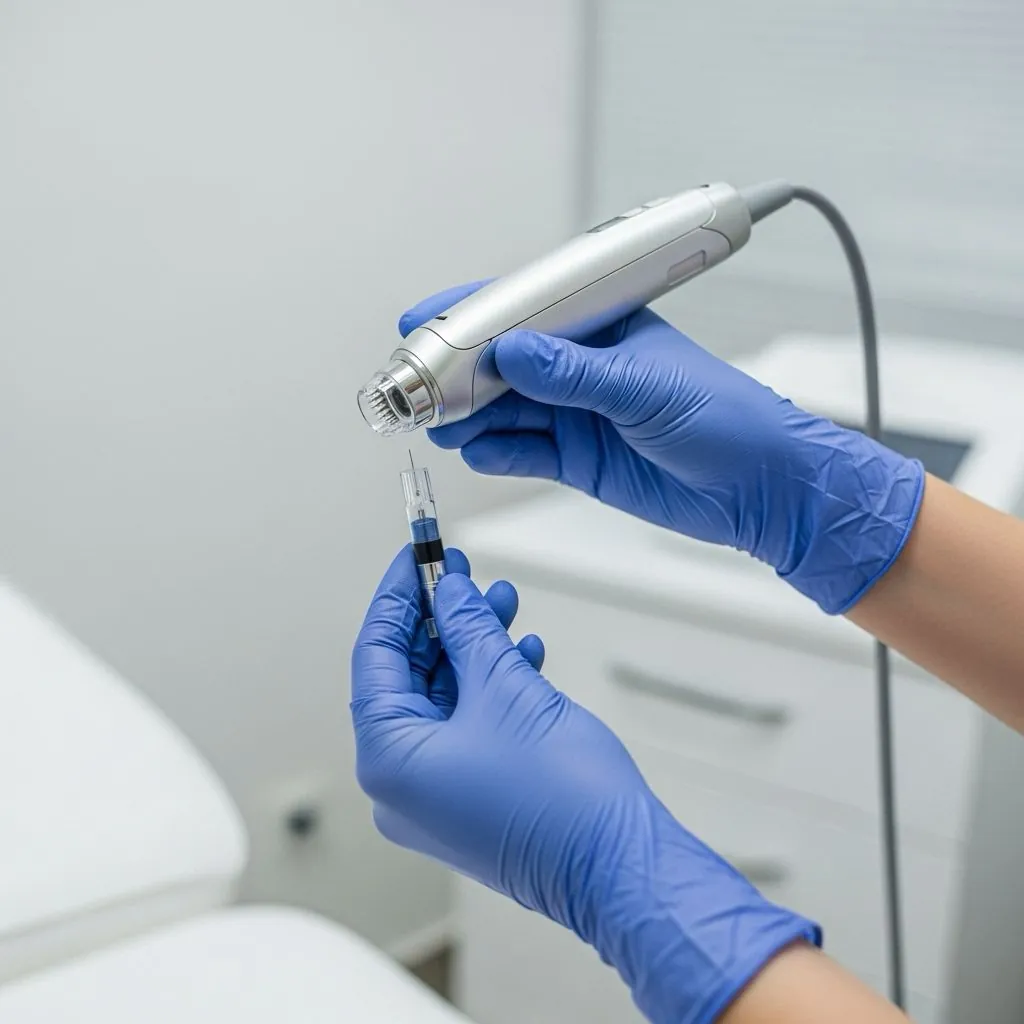

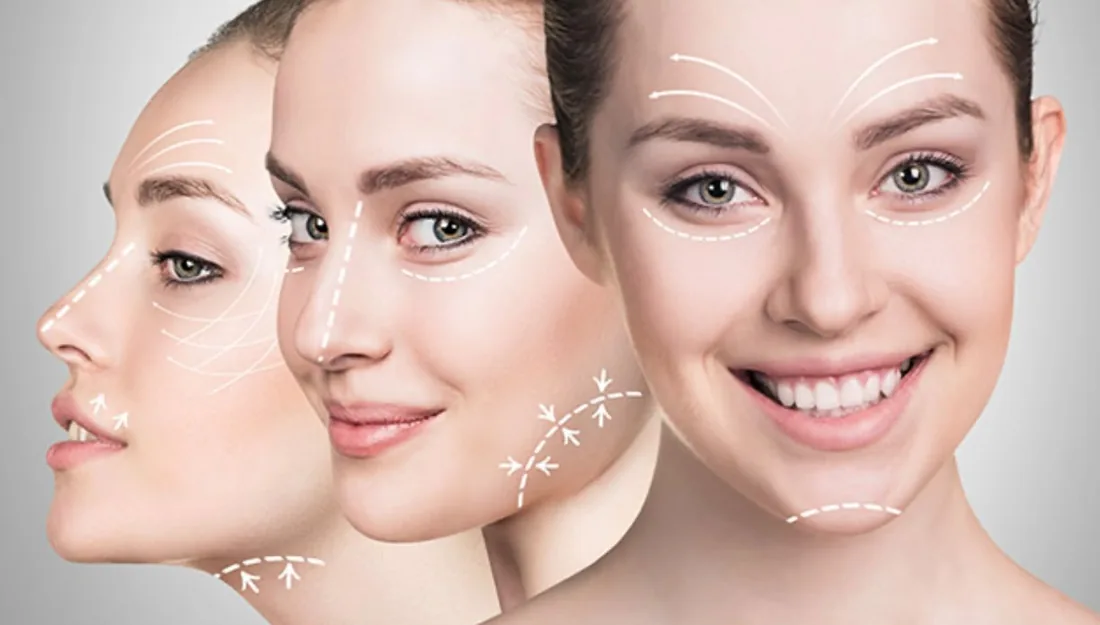
Fat transfer (fat grafting) takes fat from one area of the body, processes it and injects it into the face or another area. Because it uses your own tissue, it is chosen for natural volume and softness.
Where is it used?
- Facial areas such as cheeks, temples, under-eye hollows and around the lips
- Volume and contour correction in areas such as the buttocks or breasts, depending on the physician's assessment
The steps
- Fat is collected with fine cannulas, usually from the abdomen, waist or thighs.
- The collected fat is purified.
- The prepared fat is injected into the target area in small amounts.
Depending on the extent, the procedure can be done under local or general anaesthesia.
Recovery
Swelling and bruising can occur at both the donor and the treated areas. The time to return to daily life depends on the area and extent; recommendations such as compression garments come from your physician.
Is it permanent?
Part of the injected fat may be absorbed by the body over time, while the rest generally settles. As this proportion varies from person to person, nobody can promise exactly how long the result lasts; some people need an additional session.
This article is general information; diagnosis and treatment decisions are always made after a physician's examination.
This article is general information, not a diagnosis or treatment recommendation. Consult a physician for a personal assessment.